
Výběr platebních metod a rychlé transakce na Frumzi Casino
mayo 7, 2026Топ казино с бездепозитным бонусом за регистрацию: играть в казино онлайн в Казахстане
mayo 7, 2026The impact of gambling on mental health understanding psychological effects
The Psychological Toll of Gambling Addiction
Gambling addiction can have a profound psychological impact on individuals. Those who find themselves unable to control their gambling behaviors often experience intense feelings of guilt, shame, and anxiety. This emotional turmoil can lead to a vicious cycle, where the individual gambles to escape negative feelings, only to amplify their distress once losses occur. Over time, these negative emotions can erode self-esteem and create a deep-seated fear of facing reality. For those seeking a new gaming experience, https://morospin.live/ offers numerous engaging options.
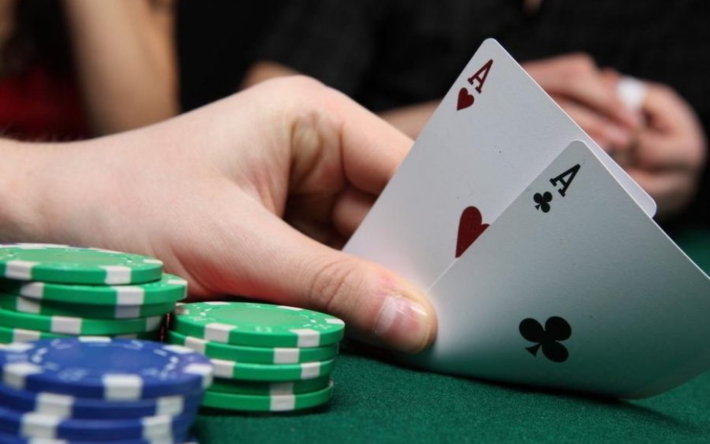
Additionally, the thrill of gambling can lead to euphoric highs, creating an addictive pattern that is challenging to break. The brain releases dopamine during gambling activities, much like in other forms of addiction, which reinforces the behavior. This biochemical response can make it increasingly difficult for individuals to step back and assess the consequences of their gambling, further entrenching them in a cycle of compulsive behavior.
Moreover, the psychological ramifications extend beyond individual players. Families and friends often bear the brunt of a gambler’s addiction, facing emotional strain and financial instability. Relationships can deteriorate as trust erodes, leading to isolation for both the gambler and their loved ones. This ripple effect demonstrates that gambling addiction doesn’t exist in a vacuum; it impacts entire social networks and can lead to broader mental health crises.
The Connection Between Gambling and Mental Health Disorders
Research suggests a strong link between gambling and various mental health disorders, including anxiety, depression, and substance abuse. Many individuals who struggle with gambling also report symptoms of anxiety, which can manifest as restlessness, irritability, or difficulty concentrating. The stress and financial burden associated with gambling losses can exacerbate pre-existing mental health conditions or even trigger new ones.
Moreover, people with mental health issues may use gambling as a coping mechanism. The temporary escape provided by gambling can be alluring for those dealing with anxiety or depressive episodes. Unfortunately, this can lead to a dangerous cycle where gambling exacerbates mental health issues rather than providing relief. Understanding this connection is crucial for developing effective treatment strategies for those affected.
Furthermore, the stigma surrounding both gambling addiction and mental health disorders often prevents individuals from seeking help. Many may feel ashamed or fearful of judgment, leading to delayed treatment and worsening symptoms. Breaking down these barriers is essential for encouraging individuals to seek the support they need, as early intervention can significantly improve outcomes.
Impact on Relationships and Social Life
The effects of gambling extend beyond the individual, significantly impacting relationships and social life. As gambling becomes a priority, personal relationships can suffer due to neglect and deception. Loved ones may experience feelings of betrayal, especially if financial resources are mismanaged, leading to a breakdown in trust. This can create a rift that isolates the gambler further, complicating their mental health issues.
Moreover, social circles may shrink as individuals withdraw from friends and family to hide their gambling habits. The shame and guilt associated with gambling often lead to avoidance behaviors. This isolation can intensify feelings of loneliness and despair, worsening mental health conditions. Engaging in gambling may also take the place of fulfilling social activities, leading to a further sense of disconnection from community and support systems.
In some cases, the strain of gambling addiction can even lead to domestic violence or conflict within the household. Stress and frustration stemming from financial strain often manifest in negative behaviors, creating a toxic environment that adversely affects everyone involved. Recognizing these dynamics is crucial for intervention and support, highlighting the need for comprehensive treatment that addresses both gambling and relational issues.
Treatment Options and Recovery Pathways
Addressing the impact of gambling on mental health requires a multi-faceted approach, including therapy, support groups, and sometimes medication. Cognitive-behavioral therapy (CBT) has shown promise in helping individuals recognize and change harmful thought patterns associated with gambling. By identifying triggers and developing coping strategies, individuals can reclaim control over their behaviors and work towards recovery.
Support groups, such as Gamblers Anonymous, provide a community of shared experiences that can be incredibly therapeutic. These groups offer a safe space for individuals to discuss their struggles openly, reducing feelings of isolation. Engaging with others who understand the journey can provide encouragement and accountability, essential elements in the recovery process.
In some cases, medication may be prescribed to manage symptoms of underlying mental health disorders, such as anxiety or depression. Finding the right treatment plan often involves a combination of therapies tailored to the individual’s needs. A holistic approach is essential for effective recovery, as it not only addresses gambling behavior but also enhances overall mental well-being.
Conclusion: Understanding Gambling’s Impact for a Better Tomorrow
The complexities surrounding gambling and mental health underscore the importance of understanding these issues in depth. Awareness can pave the way for better prevention, treatment, and support systems for those affected. As society becomes more educated about the psychological effects of gambling, there is hope for individuals to seek help without fear of stigma.
Community support, education, and comprehensive treatment can help combat the devastating impacts of gambling addiction. As we work towards improving mental health resources and fostering understanding, we can create an environment where individuals feel empowered to seek help. In doing so, we can break the cycle of addiction and its psychological effects, leading to healthier, more fulfilling lives.
