
Innovatieve Vermaak en Kansspelen met chicken road slot
mayo 11, 2026Bonus avec dix 500, trois-cents espaces gratis
mayo 11, 2026The historical evolution of gambling From ancient rituals to modern practices
Ancient Beginnings of Gambling
The origins of gambling can be traced back to ancient civilizations where games of chance were often intertwined with rituals and religious practices. Archaeological evidence suggests that as early as 3000 BC, the Chinese were using rudimentary forms of gambling, which included dice made from animal bones. These early games were not merely about entertainment but were often linked to divination and the belief in luck as a divine influence. This spiritual connection laid the groundwork for gambling practices that persist in various forms today. Online platforms, like https://casoolacasino-ca.com/, demonstrate how the future of casinos can embrace these ancient traditions in a modern context.
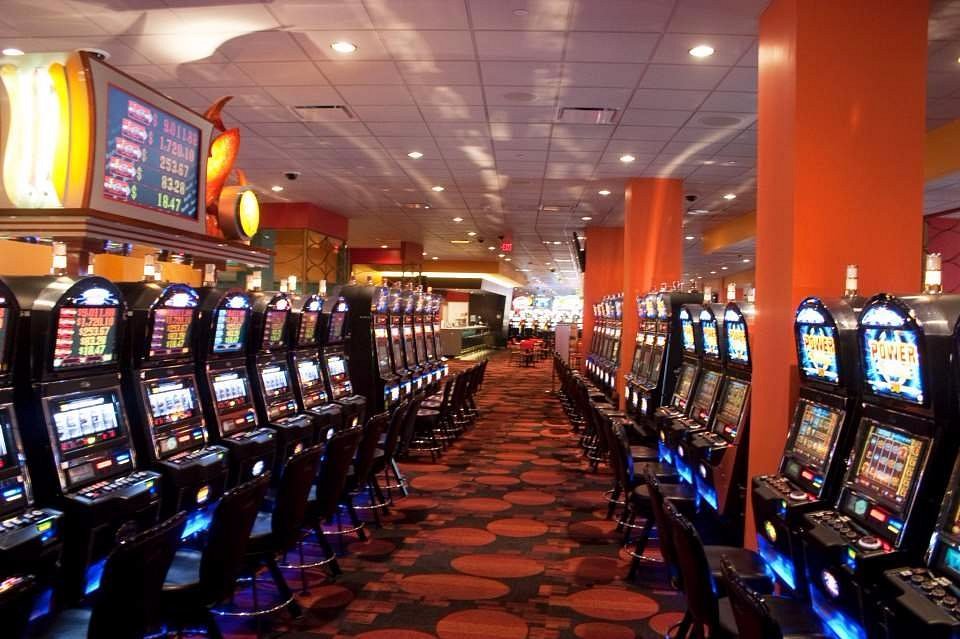
In ancient Rome, gambling became popular among soldiers and citizens alike, reflecting a society that embraced risk-taking. The Romans organized betting on gladiatorial contests and chariot races, fostering an environment where chance and skill converged. The widespread acceptance of gambling in these public spectacles highlighted its role as a social activity, drawing attention to how communal experiences shaped the evolving nature of gambling, and setting a precedent for future betting environments.
Similarly, in ancient India, games involving dice were integral to cultural celebrations and social gatherings. Known as «Ashta Chamma,» these games often carried significant stakes, showcasing early examples of what we now recognize as gambling. Across these various cultures, gambling evolved as a form of leisure, community engagement, and an expression of human nature’s curiosity towards luck and fortune.
The Middle Ages and the Rise of Betting
The Middle Ages saw a significant transformation in gambling practices as societies shifted from pagan rituals to more structured forms of betting. This period marked the development of card games, which gained popularity in Europe. The invention of playing cards in the 14th century revolutionized gambling by introducing new mechanics and strategies, further appealing to the thrill-seekers of the time. The allure of chance combined with skill created a dynamic landscape that would shape the future of gambling.
During this era, gambling was often condemned by religious institutions, viewed as a vice that could lead individuals astray. However, the demand for gambling persisted, prompting clandestine games and underground betting. Authorities responded with regulations and attempts to curb the practice, yet the resilience of gambling continued to flourish. This conflict between acceptance and rejection foreshadowed the complex relationship societies would have with gambling in subsequent centuries.
The establishment of official lotteries in the 16th century further legitimized gambling, as governments recognized its potential for revenue generation. Countries began to create state-sanctioned lotteries to fund public projects, blurring the lines between vice and virtue. This evolution laid the foundation for modern regulatory practices surrounding gambling, demonstrating how societies sought to balance personal freedoms with public morals.
Gambling in the Modern Era
The 18th and 19th centuries were pivotal for the gambling industry, characterized by the emergence of formal casinos. The first official casino, the Casino di Venezia, opened its doors in Italy in 1638, signaling the transition from informal gambling to organized establishments. The concept quickly spread across Europe and eventually to America, where the growth of cities like Las Vegas transformed the gambling landscape into a major industry. These casinos offered a wide range of games, from roulette to slot machines, catering to the growing appetite for entertainment and thrill.
Moreover, the 20th century brought significant advancements in technology, particularly with the advent of the internet. Online gambling emerged in the late 1990s, enabling players to engage in games from the comfort of their homes. This evolution not only broadened access to gambling but also introduced innovative gaming options, such as live dealer games and mobile betting. The digital landscape has transformed gambling into a global phenomenon, reflecting changing societal norms regarding leisure and risk.
The influence of media on gambling cannot be overlooked. Movies, television shows, and advertising have glamorized gambling, depicting it as an exciting and glamorous lifestyle. As a result, gambling became more socially acceptable, drawing in a diverse demographic of players. This evolution has led to ongoing discussions about responsible gaming and the need for regulation to protect vulnerable populations, highlighting the dual nature of gambling as both entertainment and potential risk.
The Future of Gambling: Trends and Innovations
Looking ahead, the future of gambling appears to be heavily influenced by technological advancements and changing consumer preferences. Innovations such as virtual reality and augmented reality are set to redefine the gaming experience, allowing players to immerse themselves in lifelike environments. This technological integration not only enhances engagement but also offers new avenues for social interaction among players. As virtual casinos gain popularity, traditional establishments may need to adapt to remain relevant.
Cryptocurrency is also making waves in the gambling industry, providing players with more secure and anonymous transactions. The rise of blockchain technology is reshaping how online gambling operates, ensuring transparency and fairness in games. As more casinos embrace these digital currencies, it opens up a global market where players from different regions can participate seamlessly, transcending traditional banking limitations.
Moreover, the emphasis on responsible gaming is likely to grow, with more casinos implementing tools to promote safe gambling practices. As awareness of gambling addiction increases, establishments will face pressure to adopt measures that prioritize player well-being. This proactive approach could foster a more sustainable gambling environment, blending innovation with a commitment to social responsibility.

Casoola Casino: A Modern Gaming Experience
As we navigate the evolution of gambling, platforms like Casoola Casino exemplify the modern gaming experience. Launched in 2026, this online casino caters exclusively to Canadian players, offering over 9,000 games from top-tier providers. The integration of cryptocurrencies alongside traditional currencies demonstrates the adaptability of the gambling industry to emerging trends. Players can enjoy secure transactions with full Interac support, ensuring a seamless gaming experience.
Casoola Casino prioritizes responsible gaming, offering resources and tools that encourage players to make informed decisions. With generous promotions, including a C$500 welcome bonus and 200 free spins, the platform aims to attract a diverse player base while maintaining a focus on user experience. By fostering a safe and engaging environment, Casoola Casino reflects the ongoing evolution of gambling as a dynamic blend of entertainment and responsibility.
In conclusion, the historical evolution of gambling reveals a fascinating journey from ancient rituals to modern practices. As the industry continues to adapt to technological advancements and societal expectations, the future of gambling holds endless possibilities. Platforms like Casoola Casino highlight how innovation and responsible gaming can coexist, paving the way for a new era in the gambling landscape.
